
Managing small business finances often feels like walking a tightrope without a safety net. Between fluctuating tax regulations, razor-thin profit margins, and the non-stop demands of daily operations, keeping your books pristine is tough. A single misplaced decimal or an overlooked tax deadline can trigger hefty penalties or obscure true profit margins.
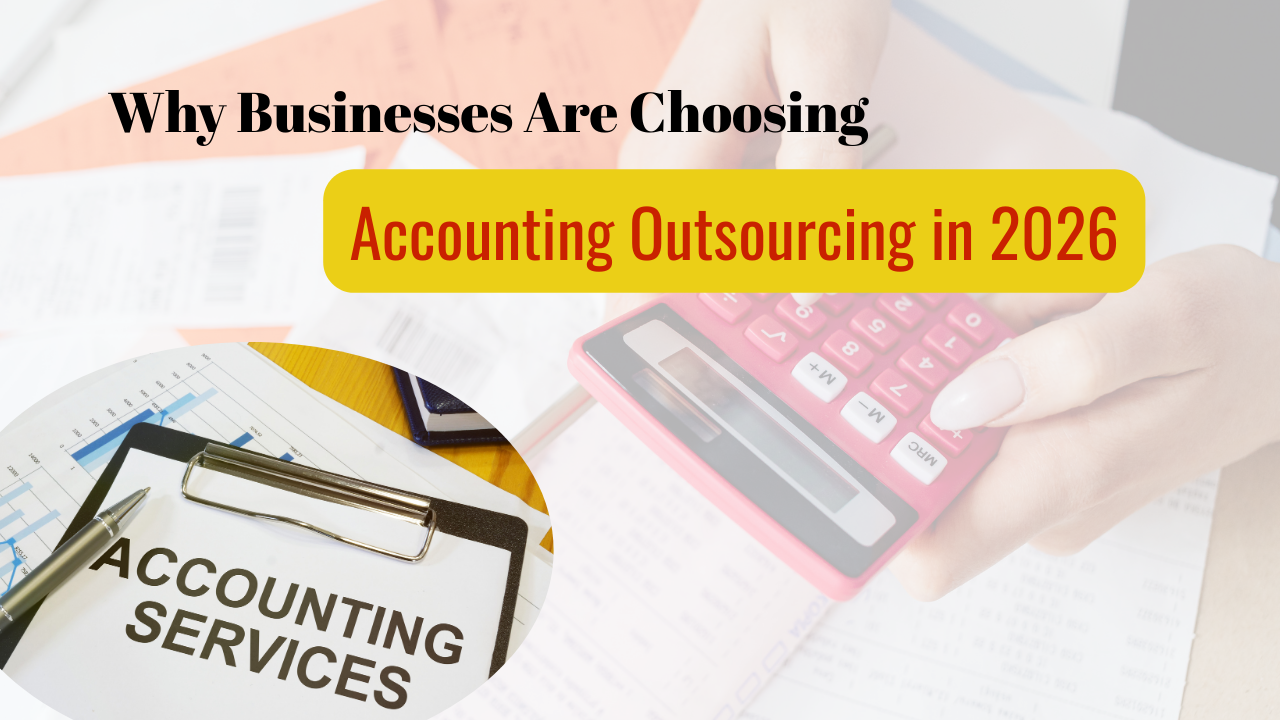
Growing companies reach a point where doing numbers on weekends stops working. This is where choosing to outsource accounting services changes the game. Transitioning from reactive bookkeeping to proactive financial oversight protects your business from expensive mistakes.
Understanding the specific vulnerabilities you eliminate makes it clear why strategic delegation is essential for financial stability.
Costly Payroll Errors and Wage Violations
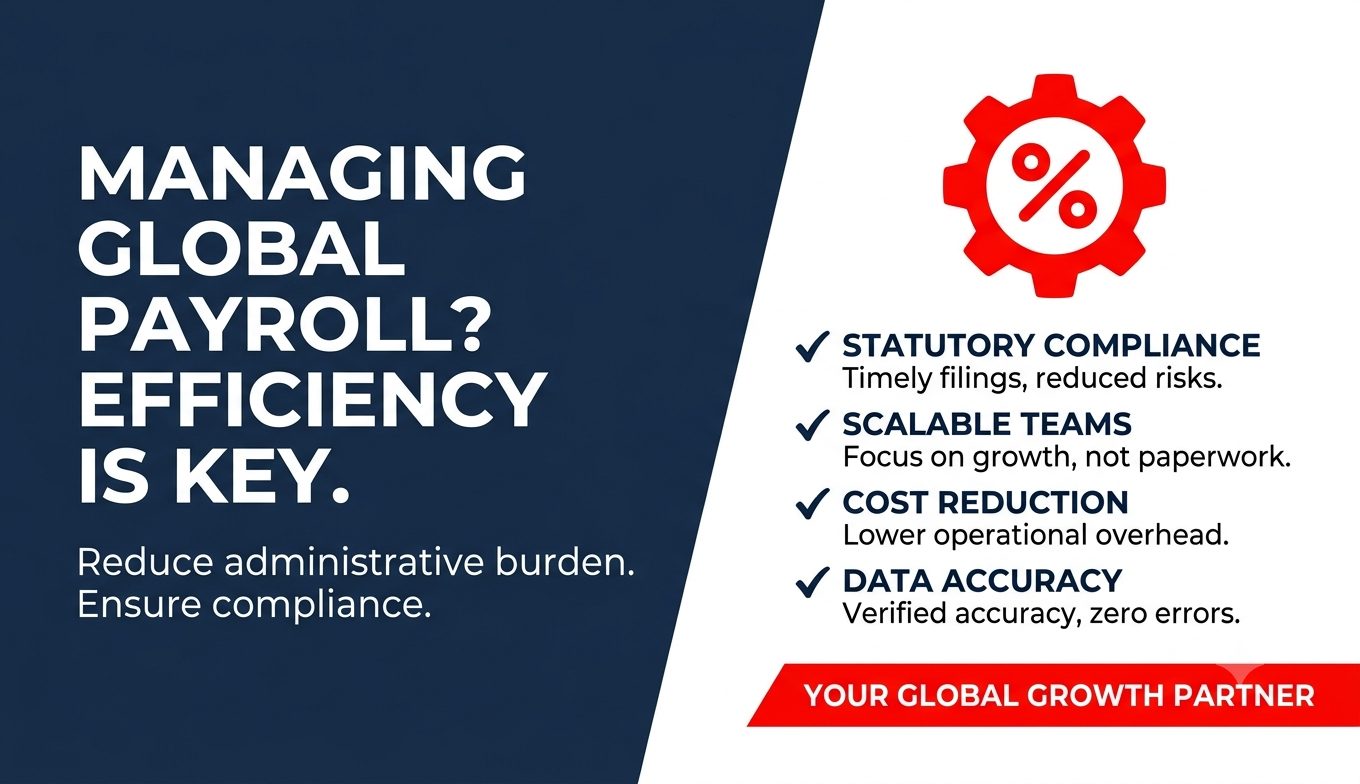
Payroll is rarely simple. Beyond basic wage calculations, you navigate tax withholdings, overtime rules, paid leave mandates, and multi-state compliance. Mistaking an employee for an independent contractor or miscalculating overtime pay invites swift labor board audits and steep back-pay fines.
Internal staff juggling multiple roles often rush through payroll processing. Small slip-ups compound over time into systemic liability.
Calculated Deductions: Automated calculations for local, state, and federal taxes ensure exact withholdings every cycle.
Classification Accuracy: Expert oversight ensures staff are properly categorized according to current labor standards.
Timely Tax Deposits: Guaranteed deadlines for local tax deposits prevent automatic failure-to-pay penalties.
Tax Non-Compliance and Audit Exposure
Tax codes evolve continuously, making compliance a moving target for non-specialists. Missing an obscure deduction hurts your bottom line, but failing to report revenue correctly according to new guidelines triggers audits.
When you outsource accounting services, you gain access to specialists whose sole focus is tax strategy and compliance. Instead of scrambling during tax season, financial records stay organized year-round, backed by audit-ready documentation.
Proactive Tax Strategy: Identifying allowable credits and deductions before year-end saves money legally.
Audit Preparedness: Every transaction links directly to source documentation, making official inquiries stress-free.
Filing Oversight: Continuous monitoring ensures corporate income and sales tax filings land on time.
Internal Fraud and Embezzlement Vulnerabilities
Small and medium-sized businesses suffer disproportionately from internal fraud, largely because single employees frequently handle invoice creation, payment approvals, and bank reconciliations without oversight. Blind trust is not an internal control system.
Outsourced financial teams introduce natural segregation of duties. The entity recording transactions is separate from the entity holding funds, creating transparent audit trails that deter bad behavior.
Separation of Duties: Prevents any single employee from creating and approving payment requests.
Unscheduled Reconciliations: Regular cross-referencing catches anomalies early.
System Controls: Digital permissions limit user access strictly to necessary job functions.
Inaccurate Financial Reporting and Poor Cash Flow Visibility
Operating on flawed financial statements is like driving with an inaccurate fuel gauge. You might think profit margins are healthy when accounts receivable are actually quietly aging into bad debt. Incomplete balance sheets lead to poor inventory choices, premature hiring, and surprise liquidity crunches.
Professional accounting providers maintain clean ledgers, giving you actual visibility into your cash flow runway.
Real-Time Dashboards: Accurately view incoming receivables and outgoing commitments instantly.
Accrual Accounting Standards: Matching revenues with corresponding expenses reveals true profitability.
Predictive Forecasting: Financial models help evaluate the impact of planned capital investments.
Missed Vendor Payments and Damaged Credit Relationships
Failing to pay vendors on time does more than incur late fees, it damages critical supply chain relationships and hurts credit terms. Double-paying invoices due to duplicate entries in basic spreadsheets wastes working capital.
Delegating ledger management establishes strict accounts payable processes. Systems log invoices, cross-check against purchase orders, and schedule payments to capture early-bird discounts while preserving cash.
Regulatory Shifts and Industry-Specific Violations
Every industry operates under distinct regulatory pressures, whether handling client trust accounts, tracking grant funds, or maintaining GAAP standards for venture funding. In-house generalists rarely hold the specialized knowledge required to navigate these intricate frameworks.
Professional accounting providers deploy specialists trained in specific vertical requirements, shielding your firm from industry-specific regulatory violations.
Knowledge Loss from High Employee Turnover
Relying on a single internal bookkeeper creates an existential risk. If they leave suddenly during tax season or audit preparation, operational knowledge leaves with them. Onboarding a replacement takes weeks, during which bills go unpaid and reconciliations stall.
When companies outsource accounting services, they partner with an entire team rather than relying on one individual. Continuous coverage, standard operating procedures, and shared system access ensure operations continue uninterrupted.
Why Strategic Outsourcing Drives Scale
Eliminating risk creates room for growth. Shifting financial administration to dedicated professionals lets leadership focus on customer acquisition, product development, and strategy instead of balancing ledgers.
Outsourcing offers flexibility, scaling support up during peak seasons and paring back when things are quiet, without the overhead of full-time hires.
Frequently Asked Questions
How does outsourcing protect sensitive corporate financial data?
Reputable providers utilize enterprise-grade encryption, strict multi-factor authentication, segregated user permissions, and compliant server infrastructures to keep financial records secure.
Is outsourcing financial management cost-effective for smaller firms?
Yes. Outsourcing converts fixed payroll overhead into a flexible operational expense. You pay for expert output without paying for full-time benefits, equipment, software licenses, or training.
Can external financial teams integrate with existing software?
Modern accounting providers work comfortably within standard cloud platforms like QuickBooks, Xero, Sage, and NetSuite, creating zero disruption to existing workflows.
What is the difference between basic bookkeeping and accounting services?
Bookkeeping focuses on recording daily transactions, receipts, and payments. Accounting interprets that data, offering financial analysis, tax strategy, compliance planning, and strategic guidance.
How quickly can a business transition to an external team?
Most transitions take between one to three weeks. Modern teams audit existing ledgers, establish secure access permissions, and launch streamlined workflows with minimal disruption.
When evaluating ways to protect your business from operational blind spots, bringing in specialized experts is the smartest path forward. If you want to optimize your financial operations and mitigate compliance exposures, look for a proven outsourcing partner to hire accounting professionals tailored to your firm's structure. Experienced firms like Invedus provide dedicated remote accounting experts who seamlessly integrate into your workflow, delivering high-tier compliance, financial clarity, and operational scalability at a fraction of local hiring costs.
Ready to secure your business finances and eliminate costly risk? Reach out to the financial specialists at Invedus to build a custom accounting plan for your team. Visit www.invedus.com, email INFO@INVEDUS.COM, or call 888-346-8646 today.












Write a comment ...